Welcome to Jinan Vanxon Machinery Manufacturing Co., Ltd.


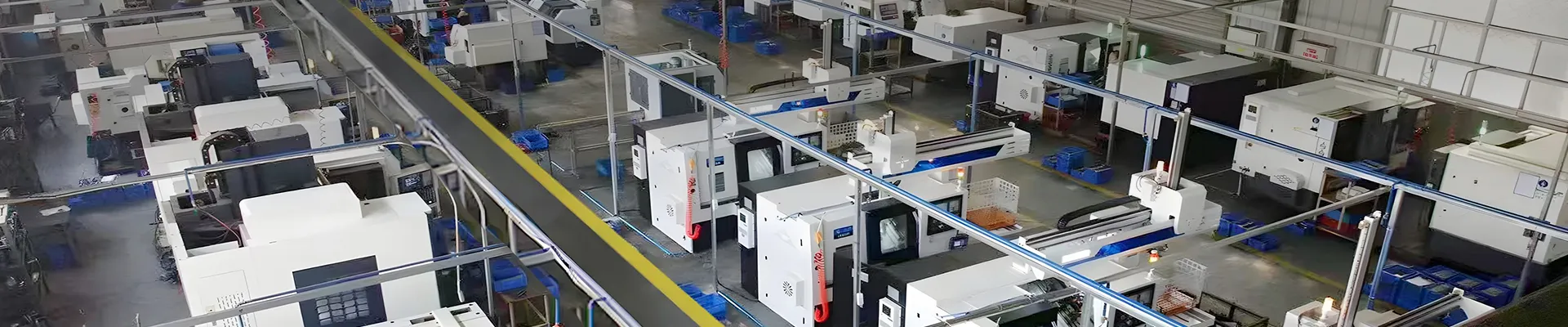
Revolutionizing Control: The Innovative Valve Actuator System
Release time:
2026-02-12
Discover how the valve actuator system enhances industrial efficiency and reliability.

Image Source: unsplash
Introduction to Valve Actuation
When it comes to modern industrial applications, the valve actuator system is a game changer. This device plays a crucial role in controlling the flow of liquids and gases, making it indispensable in various sectors such as oil and gas, manufacturing, and water treatment. But what makes this device stand out? Buckle up as we explore the fascinating world of valve actuators!
What is a Valve Actuator?
Simply put, a valve actuator is a mechanism that opens and closes valves. These can be operated manually, but most often, they are automated to enhance efficiency. Automated systems are more reliable and can handle complex processes without the need for constant human intervention. Talk about a time saver!
Types of Valve Actuators
There are several types of valve actuators, each tailored to specific needs. Here's a quick rundown:
Electric Actuators
Using electric power, these actuators provide precision and ease of control. They are perfect for applications requiring quick adjustments and can be integrated into automated control systems.
Pneumatic Actuators
Pneumatic actuators utilize compressed air to operate valves. They are favored in environments where quick response times are essential. Plus, they're generally more compact!
Hydraulic Actuators
For heavy-duty applications, hydraulic actuators are the go-to choice. They harness the power of pressurized fluids to generate force, making them suitable for larger valves.
How Does It Work?
The workings of a valve actuator can be as simple as A, B, C. The actuator receives a signal from a control system, prompting it to either open or close the valve. This action regulates the flow of the medium, ensuring that processes run smoothly. It's like giving your piping system a voice!
Benefits of Using Valve Actuators
Why should you consider integrating a valve actuator into your operations? Here are a few reasons that might just convince you:
- Efficiency: Automated control means faster response times and less downtime.
- Consistency: These devices provide reliable performance, minimizing human error.
- Flexibility: Different types of actuators can be used depending on the specific requirements of your application.
- Safety: Reducing the need for manual operation in hazardous environments increases safety for workers.
Choosing the Right Actuator
Choosing the right valve actuator can be daunting. Factors like medium type, pressure, and temperature must be considered. Not to mention the size of the valve! It's crucial to match the actuator to its intended application to ensure optimal performance.
Conclusion: The Future of Control Systems
The valve actuator system isn't just a tool; it's a transformative element in industrial processes. As technology evolves, these systems will only get better, offering enhanced features and greater reliability. So, if you're looking to boost your operational efficiency, integrating a valve actuator might just be the ticket!
RELATED NEWS
Troubleshooting Common Issues with Ball Valve Stems: A Comprehensive Guide
Troubleshooting Common Issues with Ball Valve Stems: A Comprehensive Guide Ball valves are essential components in various industrial applications. Their reliability and efficiency make them a preferred choice in many systems. However, like any mechanical device, ball valves can encounter issues over time, particularly with their stems. Understanding these issues and how to diagnose and resolve th
2026-10-08
Understanding Signal Turbines: Key Insights for Industrial Valve Applications
Signal turbines play a crucial role in the realm of industrial equipment, especially in valve operations and related components. These devices are primarily used to convert fluid flow into mechanical motion, providing a reliable means of transmitting information about the flow conditions within a system. This capability is particularly beneficial in industries where precise control and monitoring
2026-10-03
The Future of Signal Gearboxes in Smart Industrial Operations Introduction to Signal Gearboxes Signal gearboxes play a pivotal role in the realm of industrial automation, serving as the backbone of various machinery. These devices are engineered to transmit and convert rotational motion, enhancing precision and control in diverse applications. As industries increasingly transition towards smart op
2026-09-28
Understanding Manual Control Gearbox: A Key Component in Disposable Glove Production
In the apparel accessories industry, particularly in the production of disposable gloves, the Manual Control Gearbox is an essential component that plays a pivotal role in the manufacturing process. This gearbox is designed to provide precise control over machinery, which is crucial when it comes to producing high-quality gloves that meet safety and performance standards. The Manual Control Gearbo
2026-09-23
The Significance of Quality in Gate Valve Stem Manufacturing: Ensuring Reliability and Performance
The Significance of Quality in Gate Valve Stem Manufacturing Gate valves are integral components in various industrial applications, and their performance hinges significantly on the quality of their stems. The manufacturing process of gate valve stems is a critical aspect that directly affects the functionality and longevity of the valve itself. In this article, we explore the key elements that u
2026-09-18
Understanding Worm Gear Shafts: Essential Components in Industrial Valve Applications
Worm gear shafts are vital components in various industrial applications, particularly in the operation of valves and other mechanical systems. Their unique design offers several advantages that make them suitable for specific tasks in industrial equipment. A worm gear shaft typically consists of a worm (the screw-like component) and a worm wheel (the gear with teeth), which work together to achie
2026-09-13
CONTACT US
Address:Jixi Industrial Park, Pingyin County, Shandong Province (north side of the west end of Yuncui Street)
Copyright : Jinan Vanxon Machinery Manufacturing Co., Ltd. Powerby : CEGLOBALSeo Tags Privacy Statement
