Welcome to Jinan Vanxon Machinery Manufacturing Co., Ltd.


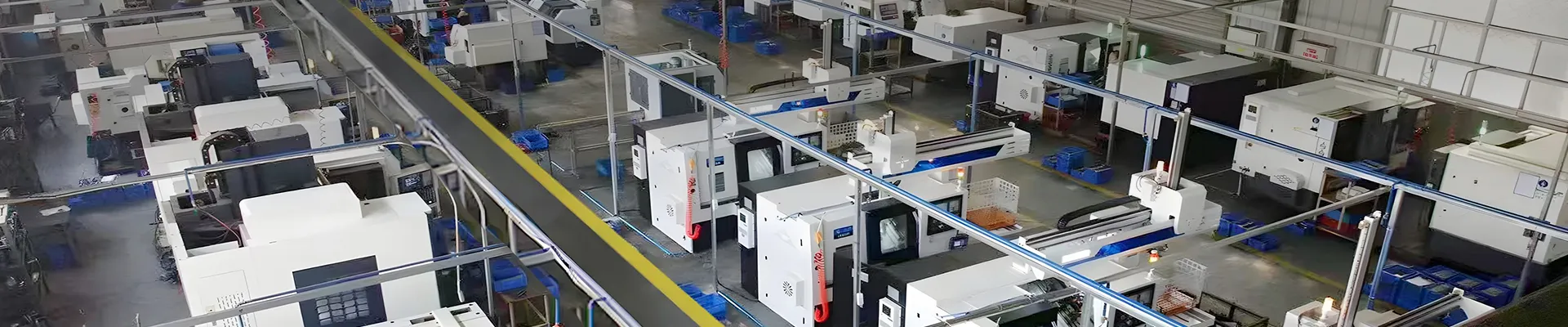
Understanding the Working Principle of Ball Valve Stem
Release time:
2025-12-16
Dive into the intricacies of the ball valve stem and its working principle with our engaging guide.
The Unsung Hero: Ball Valve Stem
Ever found yourself perplexed by the inner workings of plumbing and piping systems? Well, let's break it down! At the heart of many industrial applications lies the **ball valve stem**—a critical component that often goes unnoticed. This little piece plays a pivotal role in controlling the flow of liquids and gases. So, let's embark on a journey to unravel its working principle in plain English!
What is a Ball Valve Stem?
Before we dive into the nitty-gritty, let's clarify what the **ball valve stem** actually is. In simple terms, it's a rod that connects the actuator (or handle) to the ball inside the valve. When you turn the handle, the stem rotates the ball, which either opens or closes the flow path. Voila! That's how flow control is achieved.
How Does It Work?
Alright, here's where things get interesting! The working principle of the ball valve stem hinges on a few key elements:
- Rotation: When you turn the handle, the **ball valve stem** rotates, which in turn rotates the ball. This rotation is typically 90 degrees—simple as pie!
- Sealing: The ball has a smooth surface and is usually made of materials like stainless steel or plastic. This smoothness allows for a tight seal when the ball is in the closed position, preventing leaks.
- Flow Control: Depending on the position of the ball (open or closed), the valve either allows or restricts flow. Picture a garden hose: when you twist the nozzle, you either get a full blast of water or a gentle trickle.
Types of Ball Valves
Not all ball valves are created equal! There are various types based on their design and functionality:
- Floating Ball Valve: Here, the ball is not fixed in place; instead, it floats within the valve body. This design helps achieve a better seal when the valve is closed.
- Trunnion Ball Valve: This design features a fixed ball supported by trunnions (pins) that allow for higher pressure and larger sizes. Ideal for heavy-duty applications!
- Full Port vs. Reduced Port: Full port valves have a larger diameter, allowing for minimal turbulence, while reduced port valves have a smaller opening, which can create pressure drops.
Why Choose Ball Valves?
Okay, so you might be wondering, "Why should I care about the **ball valve stem**?" Well, here are a few reasons:
- Durability: Ball valves are known for their longevity. With fewer moving parts, they tend to be more robust compared to other valve types.
- Quick Operation: The 90-degree rotation means you can go from fully open to fully closed in a snap. Talk about efficient!
- Versatility: Whether you're dealing with water, oil, or gas, there's a ball valve designed to handle it. They can be found in everything from residential plumbing to industrial pipelines.
Maintenance Tips
Now that you're sold on ball valves, let's discuss maintenance. Here are a few tips to keep your **ball valve stem** in tip-top shape:
- Regularly check for leaks around the stem area.
- Lubricate the stem periodically to prevent wear and tear.
- Ensure the handle turns smoothly; stiff operation could indicate a problem.
Conclusion
So there you have it, folks! The **ball valve stem** might seem like a small player in the grand scheme of things, but it's a vital part of many systems that keep our world running smoothly. Next time you turn a faucet or adjust a gas line, you'll have a newfound appreciation for this unsung hero of flow control!
RELATED NEWS
Troubleshooting Common Issues with Ball Valve Stems: A Comprehensive Guide
Troubleshooting Common Issues with Ball Valve Stems: A Comprehensive Guide Ball valves are essential components in various industrial applications. Their reliability and efficiency make them a preferred choice in many systems. However, like any mechanical device, ball valves can encounter issues over time, particularly with their stems. Understanding these issues and how to diagnose and resolve th
2026-10-08
Understanding Signal Turbines: Key Insights for Industrial Valve Applications
Signal turbines play a crucial role in the realm of industrial equipment, especially in valve operations and related components. These devices are primarily used to convert fluid flow into mechanical motion, providing a reliable means of transmitting information about the flow conditions within a system. This capability is particularly beneficial in industries where precise control and monitoring
2026-10-03
The Future of Signal Gearboxes in Smart Industrial Operations Introduction to Signal Gearboxes Signal gearboxes play a pivotal role in the realm of industrial automation, serving as the backbone of various machinery. These devices are engineered to transmit and convert rotational motion, enhancing precision and control in diverse applications. As industries increasingly transition towards smart op
2026-09-28
Understanding Manual Control Gearbox: A Key Component in Disposable Glove Production
In the apparel accessories industry, particularly in the production of disposable gloves, the Manual Control Gearbox is an essential component that plays a pivotal role in the manufacturing process. This gearbox is designed to provide precise control over machinery, which is crucial when it comes to producing high-quality gloves that meet safety and performance standards. The Manual Control Gearbo
2026-09-23
The Significance of Quality in Gate Valve Stem Manufacturing: Ensuring Reliability and Performance
The Significance of Quality in Gate Valve Stem Manufacturing Gate valves are integral components in various industrial applications, and their performance hinges significantly on the quality of their stems. The manufacturing process of gate valve stems is a critical aspect that directly affects the functionality and longevity of the valve itself. In this article, we explore the key elements that u
2026-09-18
Understanding Worm Gear Shafts: Essential Components in Industrial Valve Applications
Worm gear shafts are vital components in various industrial applications, particularly in the operation of valves and other mechanical systems. Their unique design offers several advantages that make them suitable for specific tasks in industrial equipment. A worm gear shaft typically consists of a worm (the screw-like component) and a worm wheel (the gear with teeth), which work together to achie
2026-09-13
CONTACT US
Address:Jixi Industrial Park, Pingyin County, Shandong Province (north side of the west end of Yuncui Street)
Copyright : Jinan Vanxon Machinery Manufacturing Co., Ltd. Powerby : CEGLOBALSeo Tags Privacy Statement
